


Technology arrives with spectacle. For a moment, we stare. Then we want one too.
What looked miraculous becomes ordinary before we properly understand what changed.
Meanwhile, fundamentals disappear almost without announcement: skills perfected over generations, materials understood through touch, and standards maintained because somebody remembers what excellence looks and feels like.
For all its old-world polish, Forte dei Marmi puts both forces on display.
“Quick,” Fonny said. “Put your hands on the dash.”
I was sitting in his brand-new Peugeot 504, parked along the main drag of our small provincial town, enjoying the tail end of a post-war boom built on American investment and cheap energy. OPEC was about to spoil the party.
A man with a limp came towards us, dragging his left leg. He recognized Fonny in his plush French automobile and flashed a smile. Then he bent down until his head was level with mine on the other side of the passenger window. He made a rotating gesture with his hand.
Fonny grinned wickedly and flicked a switch.
The window slid down by itself.
My thighs were stuck to the tan imitation-leather seat, but car technology had finally arrived in Dendermonde.
It happened again, about twenty years later, in Milan. We were having dinner at A Santa Lucia. Italian patrons sit behind the partition. Foreigners are kept in the first section. Both are served by waiters approaching retirement and all are watched over by Italy’s who’s who, framed on the walls, their portraits signed with extravagant flourishes.
She walked in through the aluminum-framed double doors, the red fluorescent Santa Lucia sign reflected briefly in her auburn hair. The maître d’ escorted her behind the partition.
The room fell silent.
She did not.
She continued talking as she walked, a sleek Italtel Rondine cellular phone to her ear, carrying on with the ease and elegance of a woman who had already decided this was what the world would look like from now on.
We bought our first mobile phones as soon as we got back home.
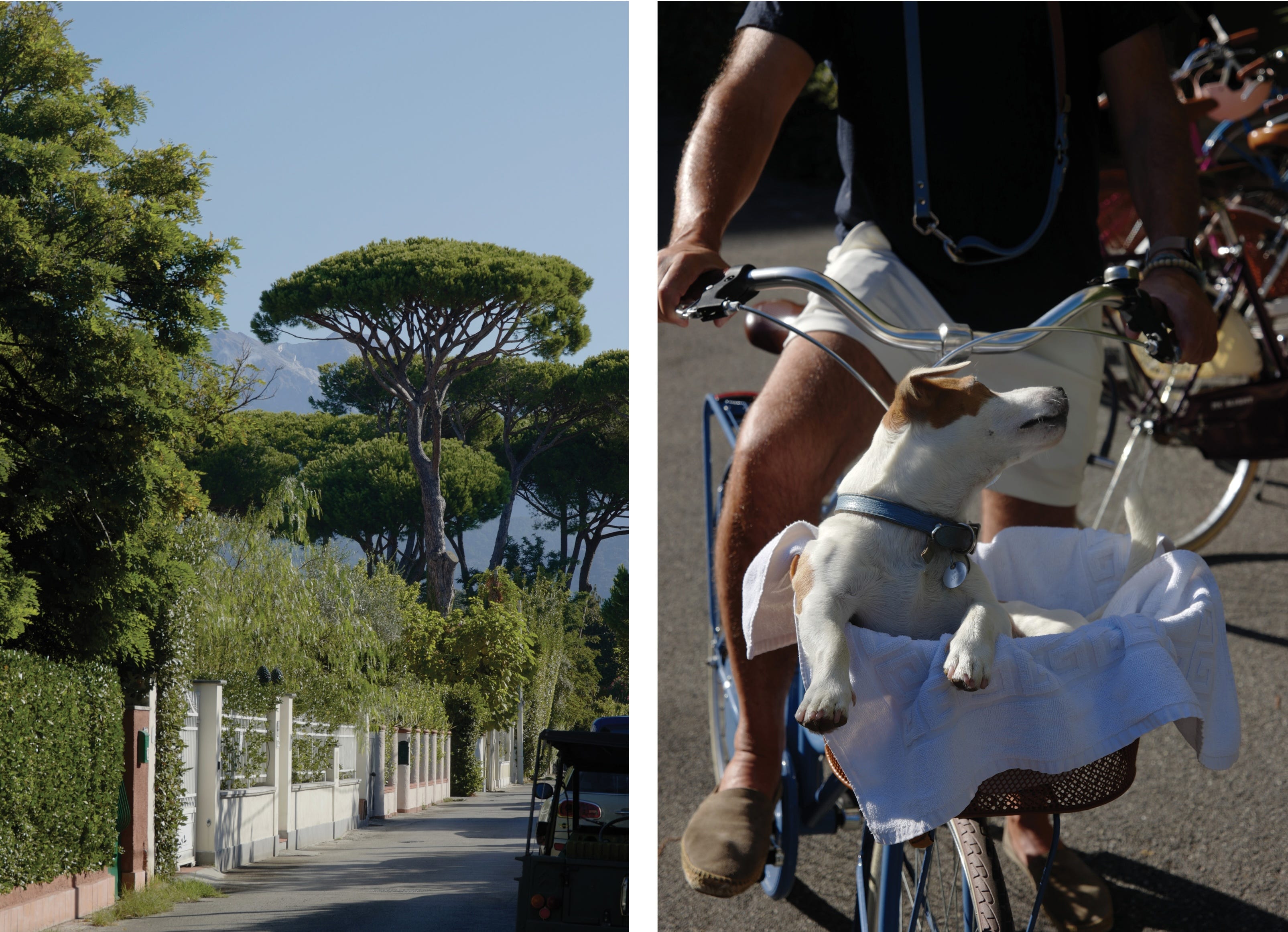
I guess we’re in need of another dog now.
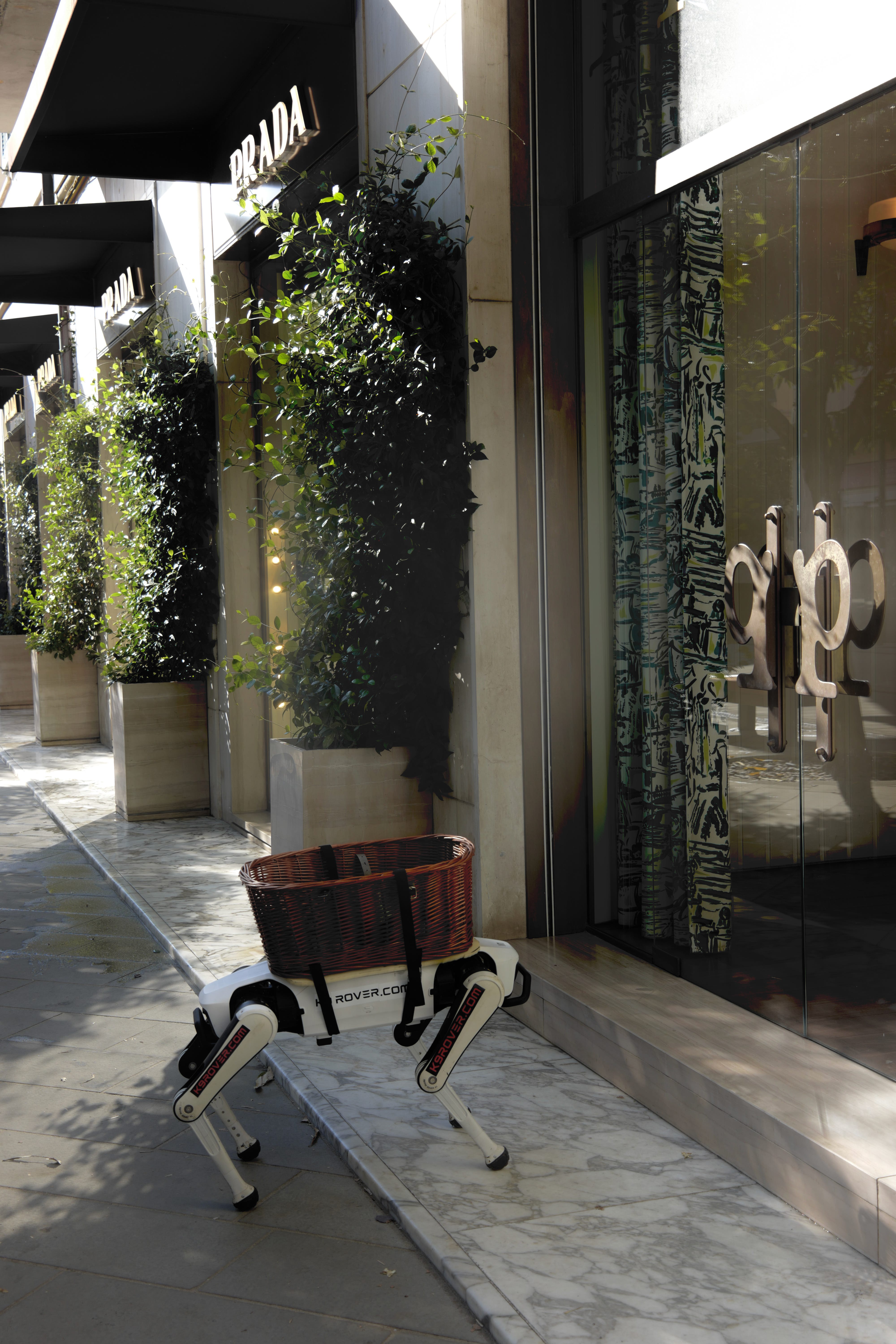
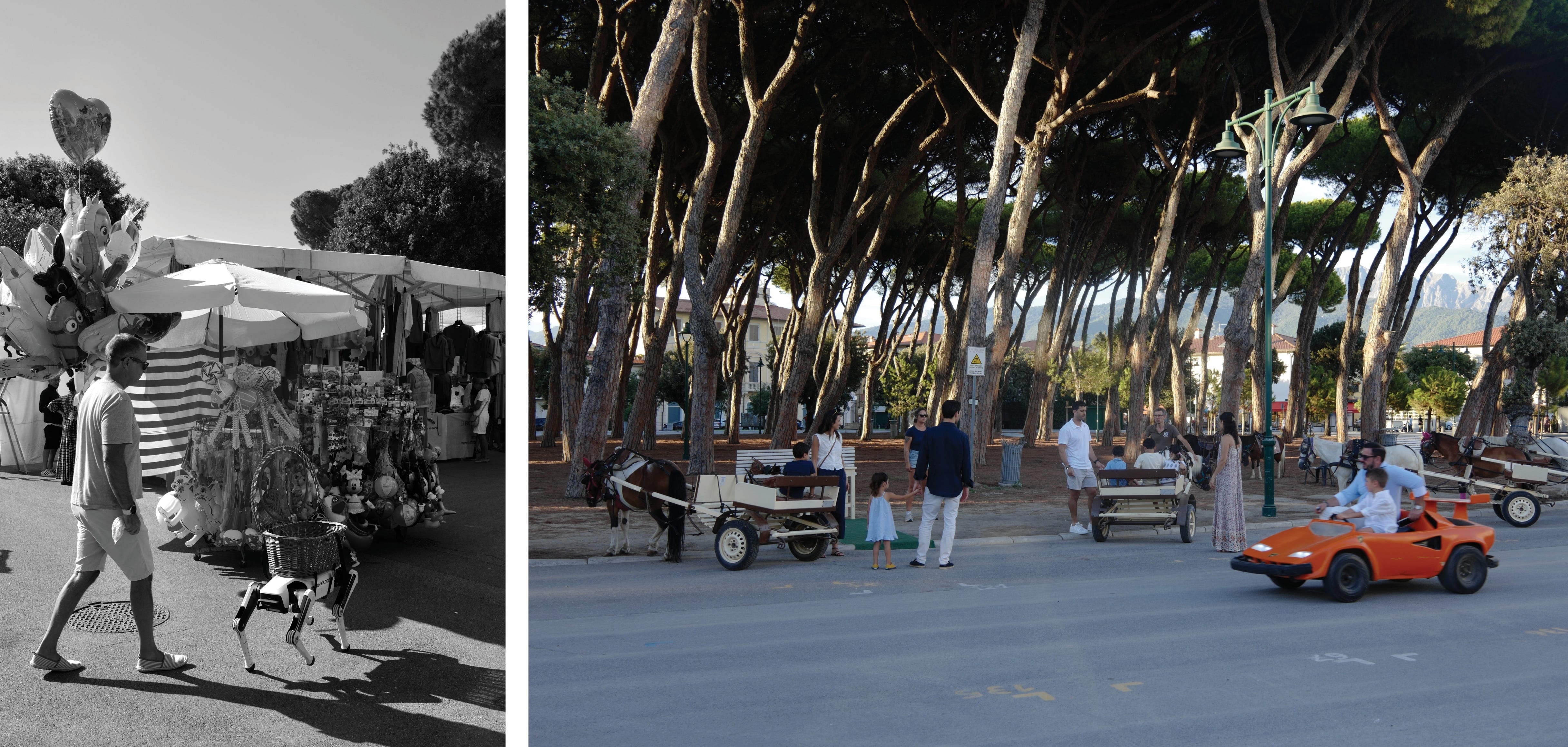
Not a hairy one. Mr. Watson doesn’t tolerate competition. A shiny metallic one instead: circuits replacing nerves, sensors where instinct used to be, and the clickety-click hooves of the Shetland ponies making their rounds on Forte’s Piazza Marconi, to the delight of kids and parents gripping reins that are totally useless.
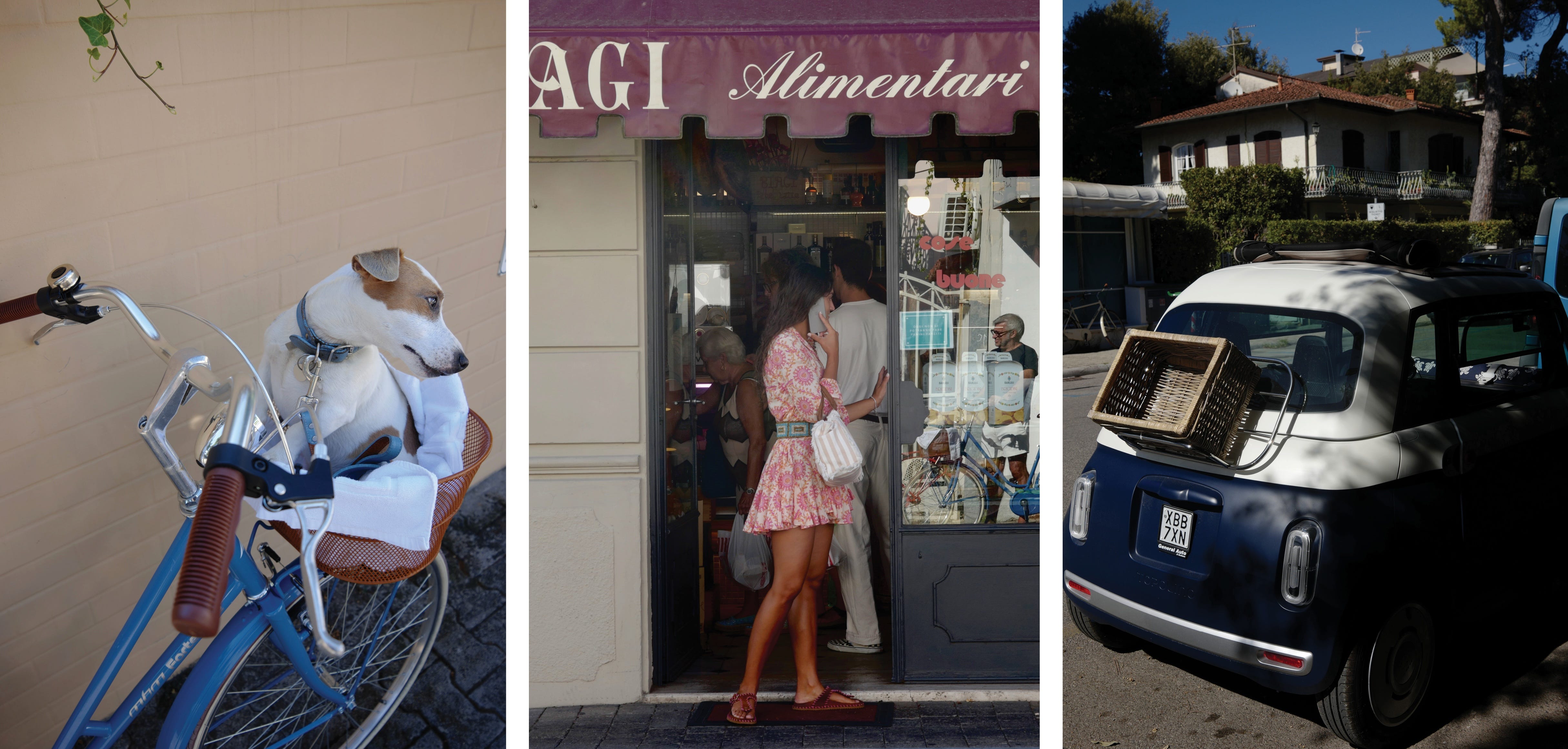
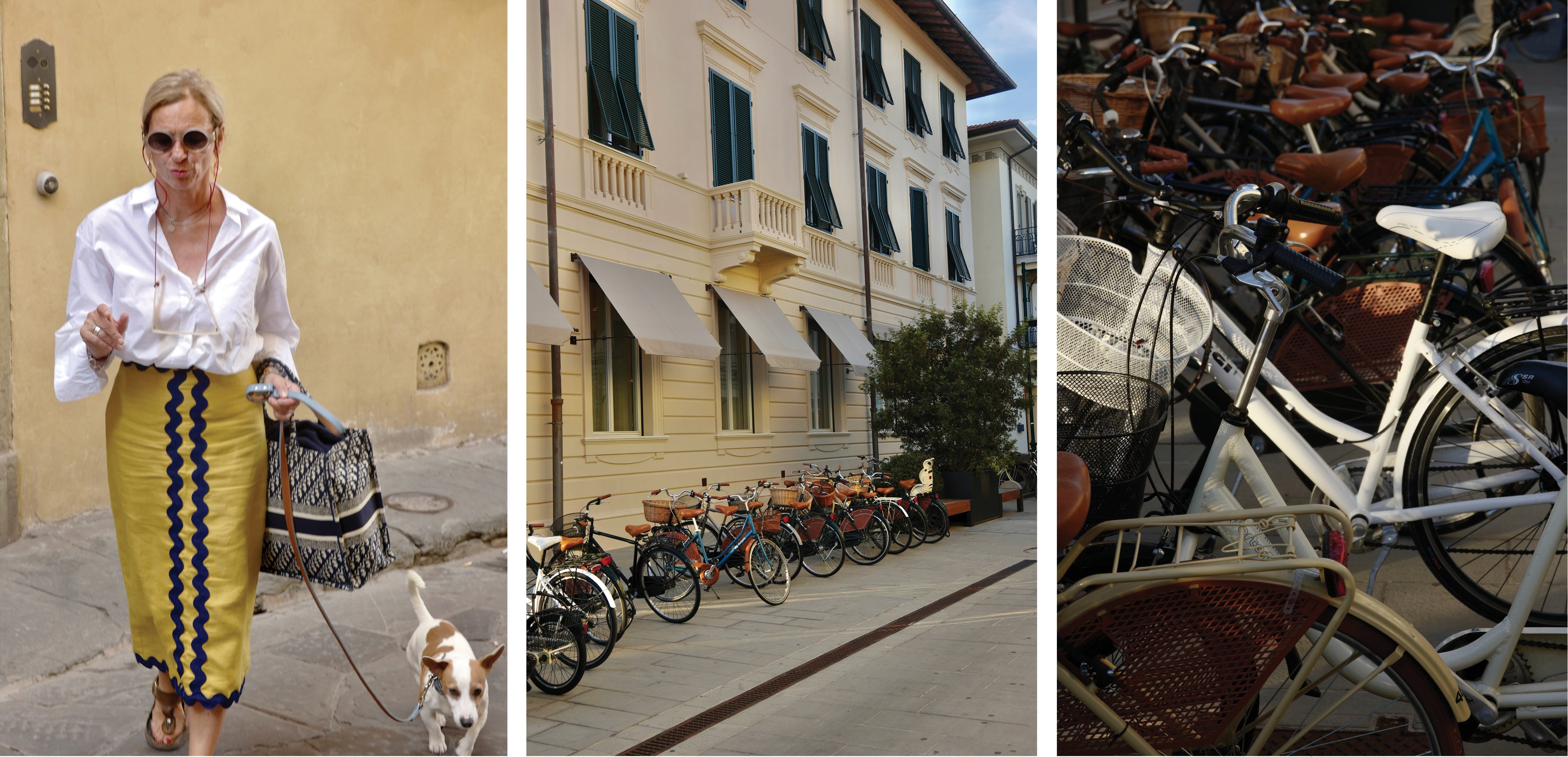
It was waiting patiently outside Caffè Principe, a wicker basket strapped to its back, the sort of mariage de raison between high-tech and craftsmanship that only Italians get away with. As soon as its masters finished their cappuccino and put their seventeen-year-old Jack Russell in the wicker basket, it fell in step beside them through town.
The future is coded to follow at heel.
The past is often erased.
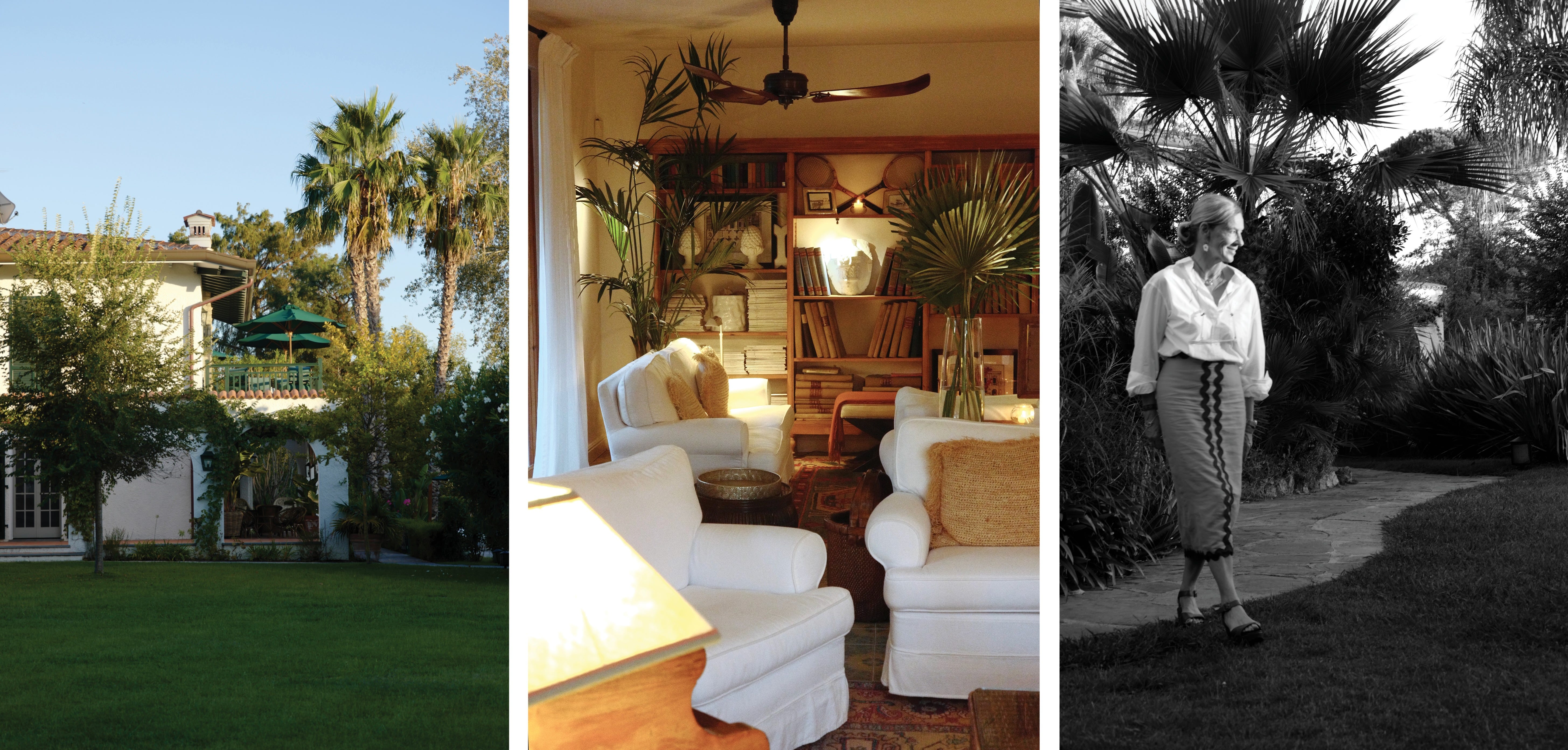
She was a model when she was young and, at 76, still commands attention when she looks you in the eye: a penetrating gaze, at once superior and accessible, that put her on the covers of fashion magazines. She remains the kind of woman you want to look like or simply be seen walking beside.
She moved her lingerie shop a couple of years ago. For decades, it had been a fixture among Forte’s luxury boutiques, a place for connoisseur brands made by designers who understood fabric and the female body and who knew how to make one serve the other. Always elegant. Never vulgar. She moved the unsold inventory to a small beachwear boutique and joined forces with the owner, broadening the offer and bringing something harder to replace: years of taste, judgment, and expertise.
Now she is discounting her remaining stock. Not because she wants to retire, but because there are no suppliers left that meet her standards.
Underneath the theater of technological progress, the intelligence of material, proportion, and touch is slowly disappearing.
In a few years’ time, our robo-dog will come shopping with us. It will carry what we bought, settle the bill, wait outside while we sip our aperitivi, and guide us back to the hotel we booked.
It’ll probably do more than that.
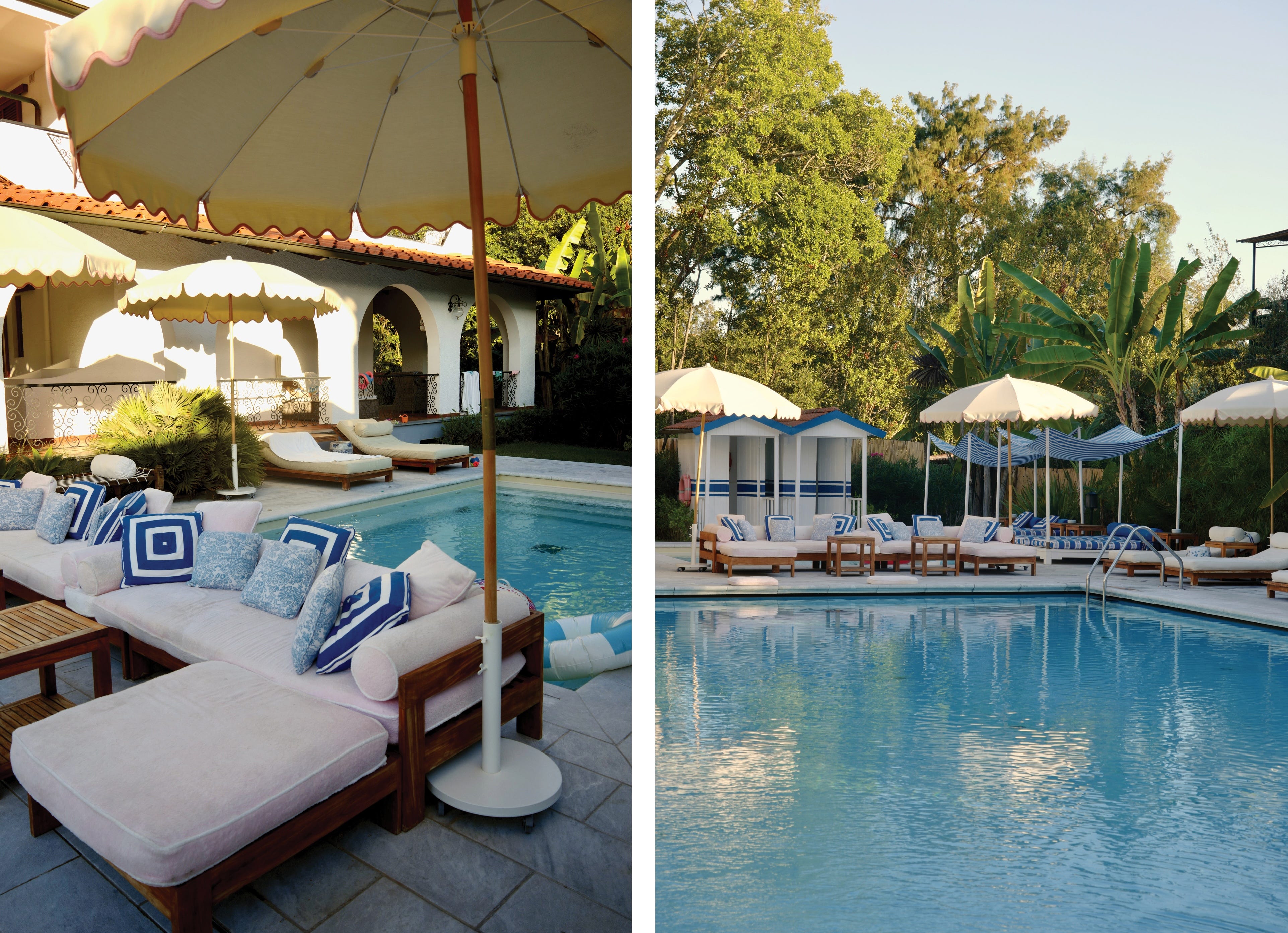
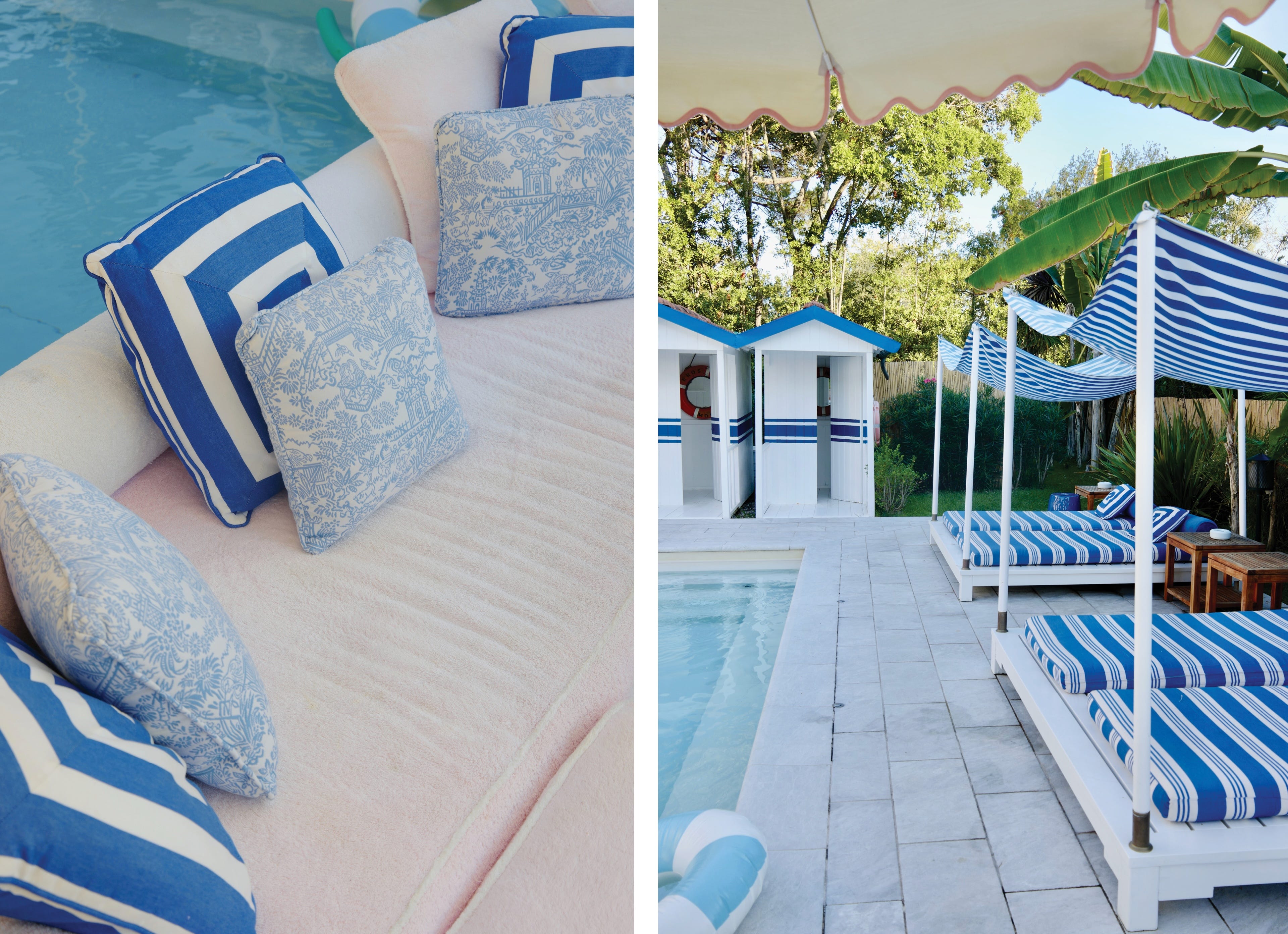
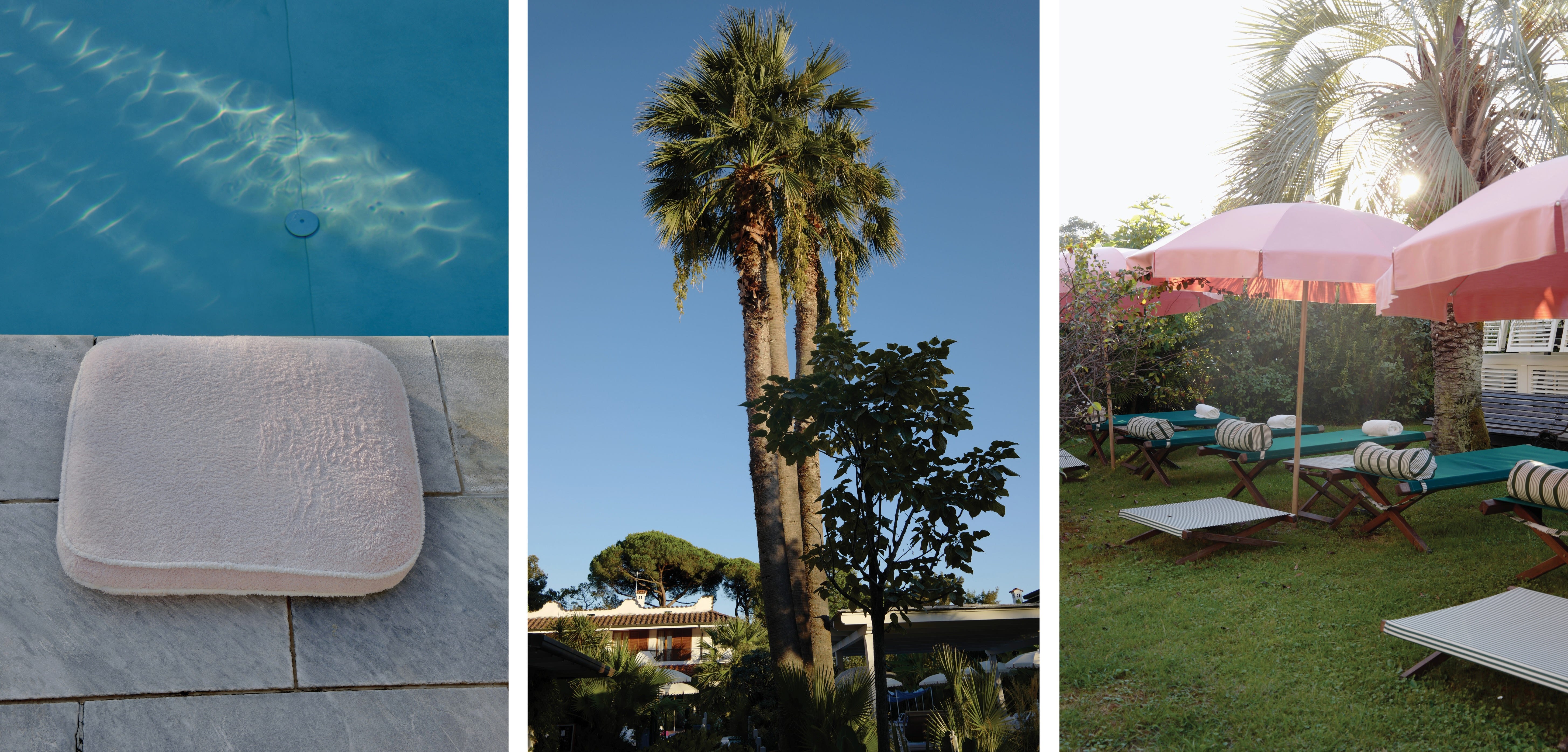
But it will never be able to create the sensation of seeing my wife in lingerie made to reveal rather than cover. Or of feeling the delicate fabric beneath my hands, warm from her wearing it.
aestheticnomads.com - Creative direction for heritage brands and iconic destinations
THE ÆSTHETIC NOMADS BLUE BOOK: DOG DAYS IN FORTE
BAGNI ALAIDE
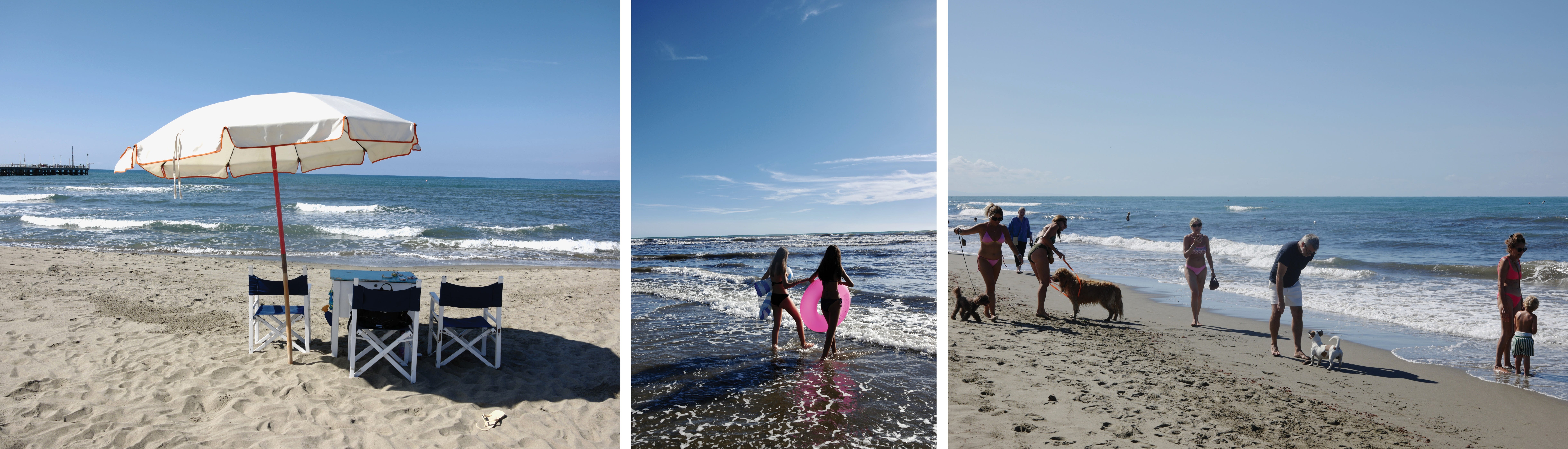
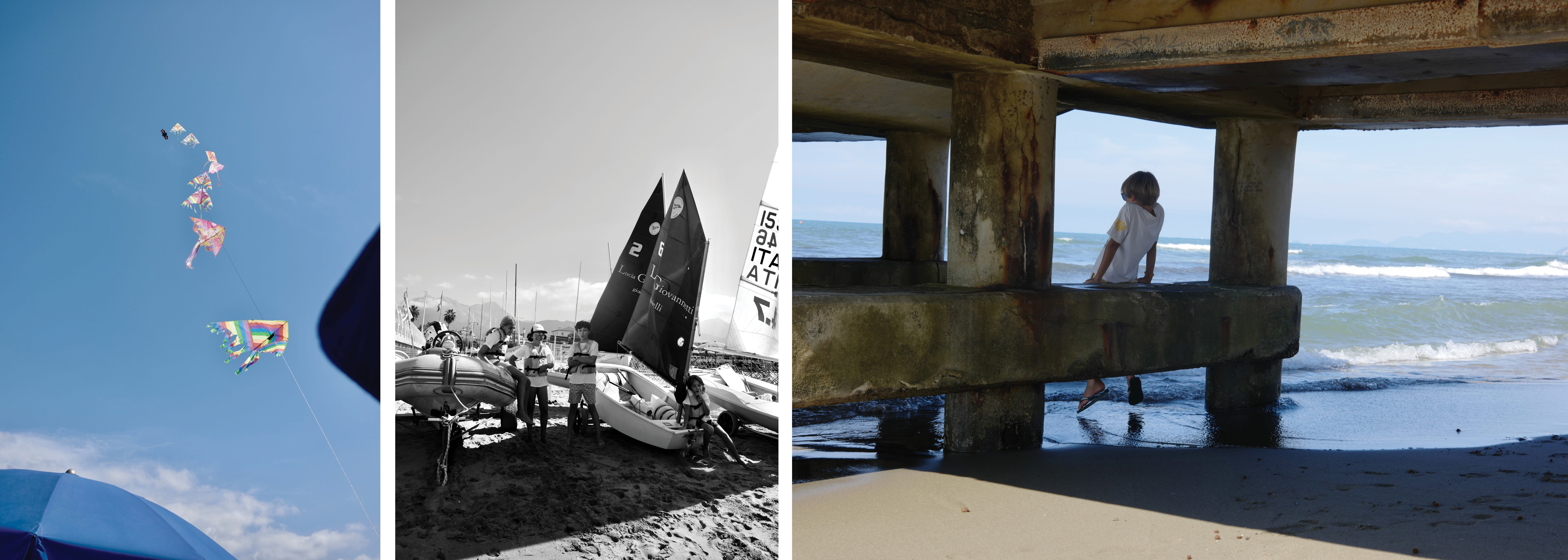
Italian beach holidays are unlike any other, and Forte is the culmination of Italy’s beach-club culture. At Alaide, you know that Italian flair can perfectly match regimented order. Even the gravel in the parking lot is raked to Buddhist perfection. By the end of your stay, you’ll know half of the guests, even if your Italian is limited to the bare essentials. Read more about Ing. Giovanni in our 2024 vignette on Forte’s art of composed nonchalance.
CALIFORNIA PARK HOTEL
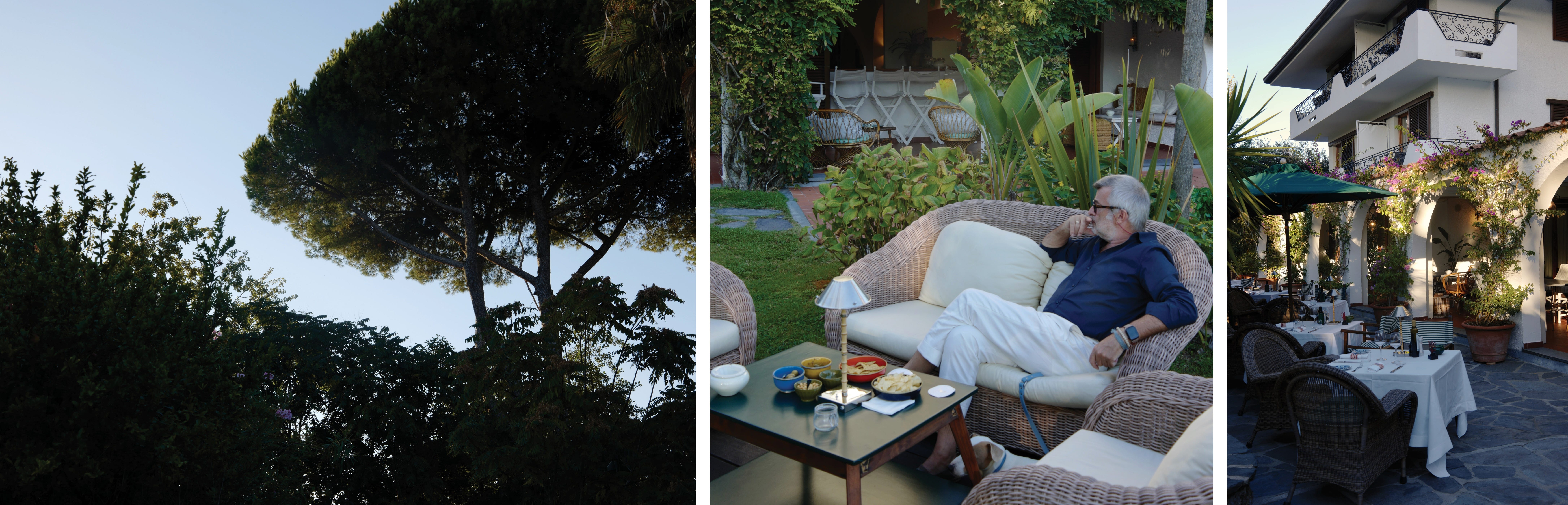
The California Park Hotel still feels like a place run by people rather than a system. The Viacava family has kept its hands-on involvement at every level. You notice it gradually. Nothing clamors for attention, yet everything has been considered. The atmosphere is polished but never stiff, elegant without becoming precious. If true luxury is being looked after without having to ask, California gets very close.
AL BOCCONCINO
In this restaurant, your neighbor may be working in one of the boutiques, or they may be an Italian captain of industry. Everyone ends up at Al Bocconcino on Forte’s town square. Pizza, fritto misto, spaghetti alle vongole, Italian classics made to order and served efficiently. The best place in Forte if you want to keep control over your agenda and budget.
CAFFÈ PRINCIPE
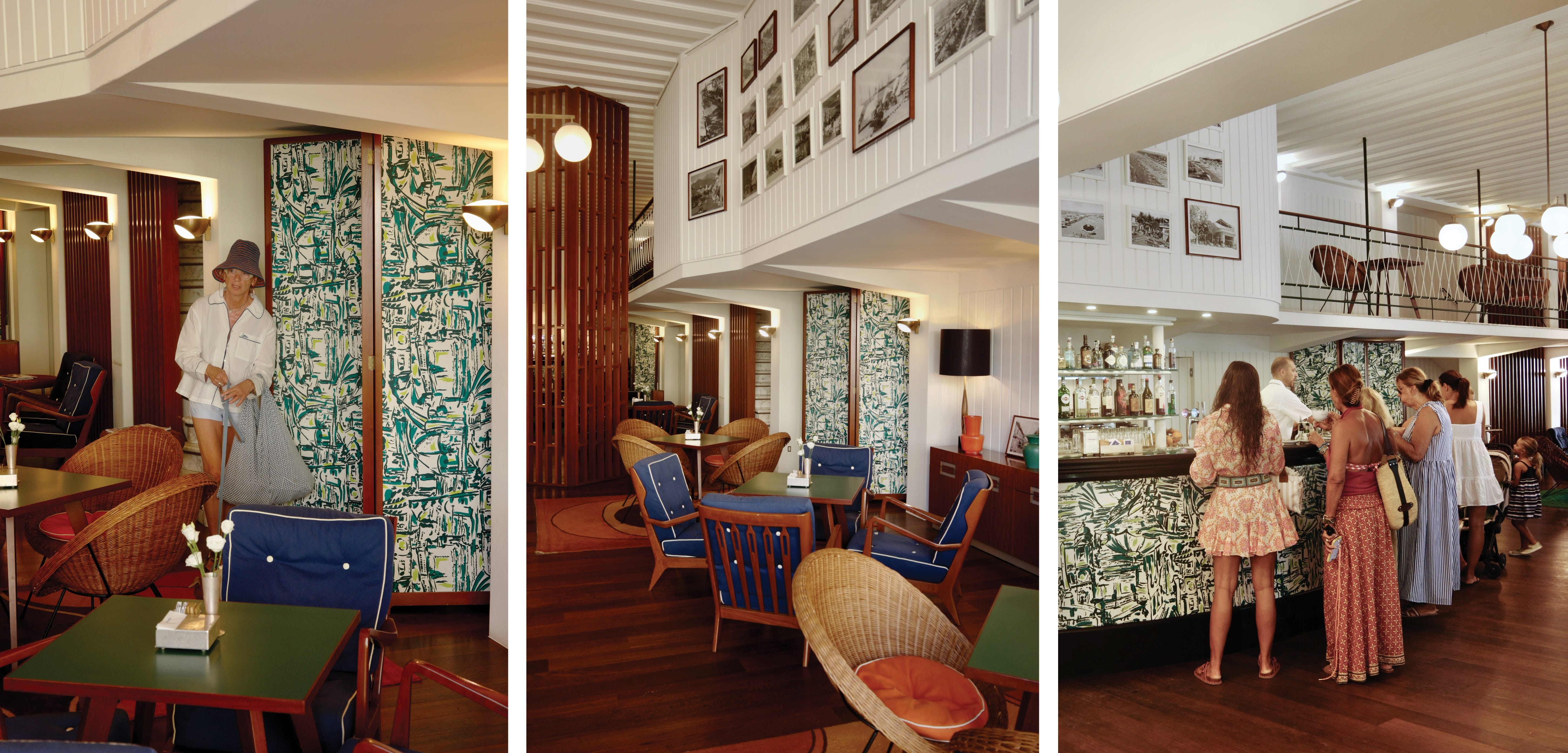
Principe first opened in the 1930s but became famous in the 50s and 60s during Italy’s post-war economic growth. It has always been the place to be seen, especially since Prada bought and renovated the property in 2023. Go full Italian: skip the terrace and have your cappuccino or aperitivo al banco, at the bar.